






- Industrial LCD display
-
Industrial Products
- DC Servo Drive
- AC Servo Drive
- other
- Heidelberg
- FANUC
- IFM
- Meter
- CCD
- Membrane Keypad
- Film
- YOKOGAWA Module
- Card
- ABB
- MITSUBISHI
- FANUC
- KEYENCE
- BECKHOFF
- Honeywell
- HOLLYSYS
- FUJI servo drives
- HP
- solenoid valve
- thermostat
- Siemens adapter
- color oscilloscope
- Fujitsu connector
- CHELIC
- SMC
- CISCO Module
- INTEL
- Key board
- FAIRCHILD
- Motherboard
- Board
- Bearing
- other
- Control Panel
- Contactor
- Circuit
- OMRON
- Relay
- Controller
- Photoelectric Switch
- Photoelectric Sensor
- Original
- Fan
- Motor Driver
- Limit Switch
- Amplifier
- power supply
- LENZE
- Cable
- Encoder
- Sensor
- Transformer
- Fiber Optic Sensor
- Protection Relay
- Temperature Controller
- Proximity Switch
- Switch Sensor
- Siemens
- Industrial board
- HMI Touch Glass
-
HMI Full Machine Whole unit
- OMRON HMI Touch Panel
- Siemens HMI Touch Panel
- Mitsubishi HMI Touch Panel
- Allen-Bradley automation HMI Touch Panel
- DELTA HMI Touch Panel
- EVIEW DELTA HMI Touch Panel
- KINCO DELTA HMI Touch Panel
- HITECH HMI Touch Panel
- WEINTECK HMI Touch Panel
- TECVIEW HMI Touch Panel
- WEINVIEW HMI Touch Panel
- PRO-FACE HMI Touch Panel
- SIMATIC HMI Touch Panel
- AMPIRE HMI Touch Panel
- HEIDELBERG HMI Touch Panel
- PANASONIC HMI Touch Panel
- PATLITE HMI Touch Panel
- KYOCERA HMI Touch Panel
- KEYENCE HMI Touch Panel
- WEINVIEW HMI Touch Panel
- HITECH HMI Touch Panel
- FUJI HMI Touch Panel
- HAKKO HMI Touch Panel
- SCHNEIDER HMI Touch Panel
- SAMKOON touch panel
- other
- Module
- lcd inverter
- Membrane Keypad Switch
- Winni Touch Screens
- Frequency Inverter
- Servo Motor
- PLC


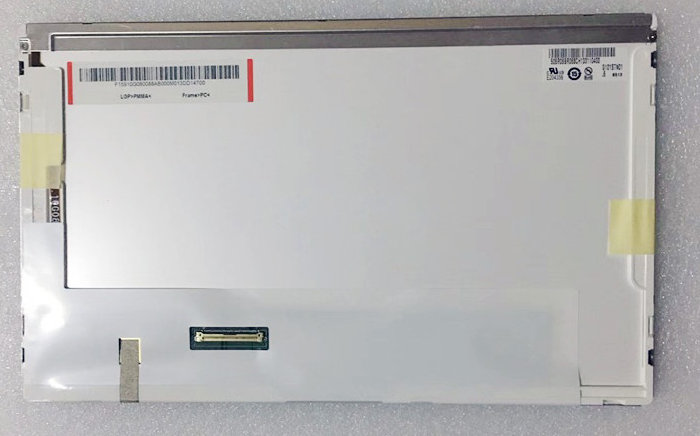
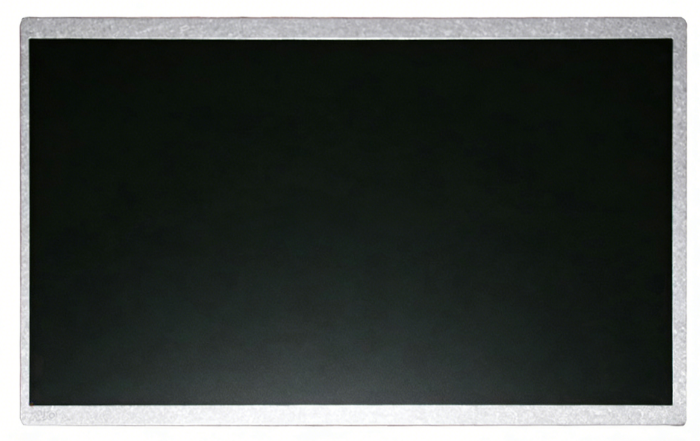
G101STN01.6 AUO 10.1 inchj TFT-LCD screen 1024*600 Display
In the intricate ecosystem of modern electronics, the display panel serves as the critical nexus between digital information and human perception. Among the myriad of specialized components, the G101STN01.6 AUO 10.1-inch TFT-LCD screen stands out as a meticulously engineered solution designed for applications where reliability, clarity, and compact form factor are paramount. This panel, with its 1024 x 600 pixel resolution (WSVGA), represents a specific balance of performance and practicality, often found in industrial control systems, portable medical devices, in-vehicle infotainment, and ruggedized portable terminals.
This article delves beyond the basic datasheet specifications to explore the why and how behind this particular display module. We will dissect its core technology, analyze its performance characteristics in context, and examine the design considerations it imposes on engineers and integrators. Understanding the nuances of components like the G101STN01.6 is essential for making informed design decisions, optimizing system performance, and ensuring longevity in demanding operational environments.
Decoding the G101STN01.6: Core Technology and Architecture
The G101STN01.6 is built upon a TFT-LCD (Thin-Film Transistor Liquid Crystal Display) foundation, specifically utilizing a Twisted Nematic (TN) variant. This technology employs a matrix of tiny transistors—one for each sub-pixel—to precisely control the alignment of liquid crystals, thereby manipulating light to create an image. The "10.1-inch" designation refers to the diagonal measurement of the active viewing area, a size chosen for its optimal balance between information density and physical footprint.
At its heart is the 1024 x 600 resolution, a 16:9 aspect ratio format known as WSVGA. This provides a clear step up from standard 800x480 displays, offering approximately 30% more pixels for sharper text, more detailed graphics, and a less cramped user interface. The module integrates a LED backlight system, which offers superior energy efficiency, longer lifespan, and a more uniform brightness profile compared to older CCFL technology. The entire assembly is typically housed in a robust metal frame, providing structural integrity and electromagnetic shielding.
Performance Characteristics: Brightness, Contrast, and Viewing Angles
Evaluating this display requires a practical look at its key performance metrics. Brightness, measured in nits (cd/m²), is crucial for readability in various ambient lighting conditions, from dim control rooms to sunlit vehicle cabins. The G101STN01.6 is engineered to deliver consistent luminance adequate for its target environments.
Contrast ratio defines the difference between the darkest black and the brightest white, directly impacting perceived image depth and clarity. While TN panels traditionally have more limited viewing angles compared to IPS (In-Plane Switching) technology, the G101STN01.6 is optimized within its expected operational parameters. Understanding its typical horizontal and vertical viewing angles is vital for placement in a device—ensuring the screen remains legible from the user's most common positions without requiring premium IPS cost where unnecessary.
The Interface: LVDS and System Integration
The bridge between the display module and the host system is the LVDS (Low-Voltage Differential Signaling) interface. This is a critical, yet often overlooked, aspect of display integration. LVDS is a high-speed, low-power, low-noise serial communication standard perfectly suited for transmitting high-fidelity video data from a controller board to the LCD panel over a flexible ribbon cable.
The G101STN01.6's specific pin configuration and signal timing are defined by its interface protocol. For system designers, this means ensuring the host's graphics controller or SoC (System on Chip) supports a compatible LVDS output. Mismatches here can lead to no display, flickering, or color distortion. Successful integration involves careful attention to the interface specification, cable routing to minimize interference, and precise power sequencing to protect the sensitive electronics.
Application-Specific Design Considerations
The true value of the G101STN01.6 is realized in its application. In industrial automation, its durability and stable performance under continuous operation are key. It must resist temperature fluctuations, vibration, and potential electromagnetic interference from heavy machinery.
For medical and diagnostic equipment, consistency and accuracy of the displayed information are non-negotiable. Color fidelity might be critical for certain diagnostic images. In transportation and fleet management systems, the display must withstand extreme temperatures, direct sunlight, and constant shock/vibration, all while providing instant readability for the operator. Each sector imposes unique requirements on the display's mounting, sealing, and operational reliability.
Comparative Analysis: Positioning in the Market Landscape
To appreciate the G101STN01.6's role, one must view it within the broader display market. It occupies a specific tier: above basic, low-resolution panels used in simple consumer goods, but below high-end, ultra-wide-viewing-angle IPS displays designed for premium tablets or commercial signage. Its WSVGA resolution is a strategic choice, offering a clear visual upgrade from ubiquitous 800x480 screens without incurring the significant cost and processing power demands of full HD (1920x1080) panels.
This makes it a cost-effective performance sweet spot for embedded systems and specialized equipment where every component's value is scrutinized. When compared to alternative sizes (e.g., 8-inch or 12.1-inch) or technologies (like emerging OLED), the G101STN01.6 presents a compelling balance of size, clarity, power consumption, and total cost of ownership for its target applications.
Longevity, Sourcing, and Future-Proofing
For product developers, component lifecycle is a major concern. Displays like the G101STN01.6, often sourced from manufacturers like AUO (AU Optronics), typically have extended availability cycles compared to consumer smartphone panels, which change annually. However, planning for end-of-life (EOL) management is essential.
Strategies include securing long-term supply agreements, considering compatible alternative models (second sources), or designing a system with interface flexibility to allow for future display upgrades. Understanding the total ecosystem—from the panel manufacturer to the distributor and potential aftermarket—is crucial for mitigating risk and ensuring the serviceability of the end product for years to come.
FAQs: G101STN01.6 Display Module
10. Where can I find the technical datasheet?Datasheets are available from authorized distributors of AUO components or through professional display module suppliers.
Conclusion
The G101STN01.6 AUO 10.1-inch TFT-LCD is far more than a simple collection of glass and electronics; it is a purpose-built component that embodies a specific set of engineering trade-offs. Its WSVGA resolution, LVDS interface, and TN technology are not arbitrary choices but deliberate decisions that position it as an optimal solution for cost-sensitive, reliability-driven applications outside the consumer mainstream.
For engineers, product managers, and procurement specialists, a deep understanding of this module's capabilities, integration requirements, and market context is invaluable. It enables informed design choices, ensures seamless system compatibility, and ultimately contributes to the creation of robust and effective end products. In the world of specialized displays, mastering the details of components like the G101STN01.6 is a key step toward technological innovation and operational excellence.


